The Royal Mews
The Royal Mews is one of the premium stables in the world. Providing the King with carriage horses and responsible for His Majestys and members of the Royal Familys transport.
Royal Mews — tours & tickets
The State Rooms offer a breathtaking glimpse into the grandeur and elegance of royal life.
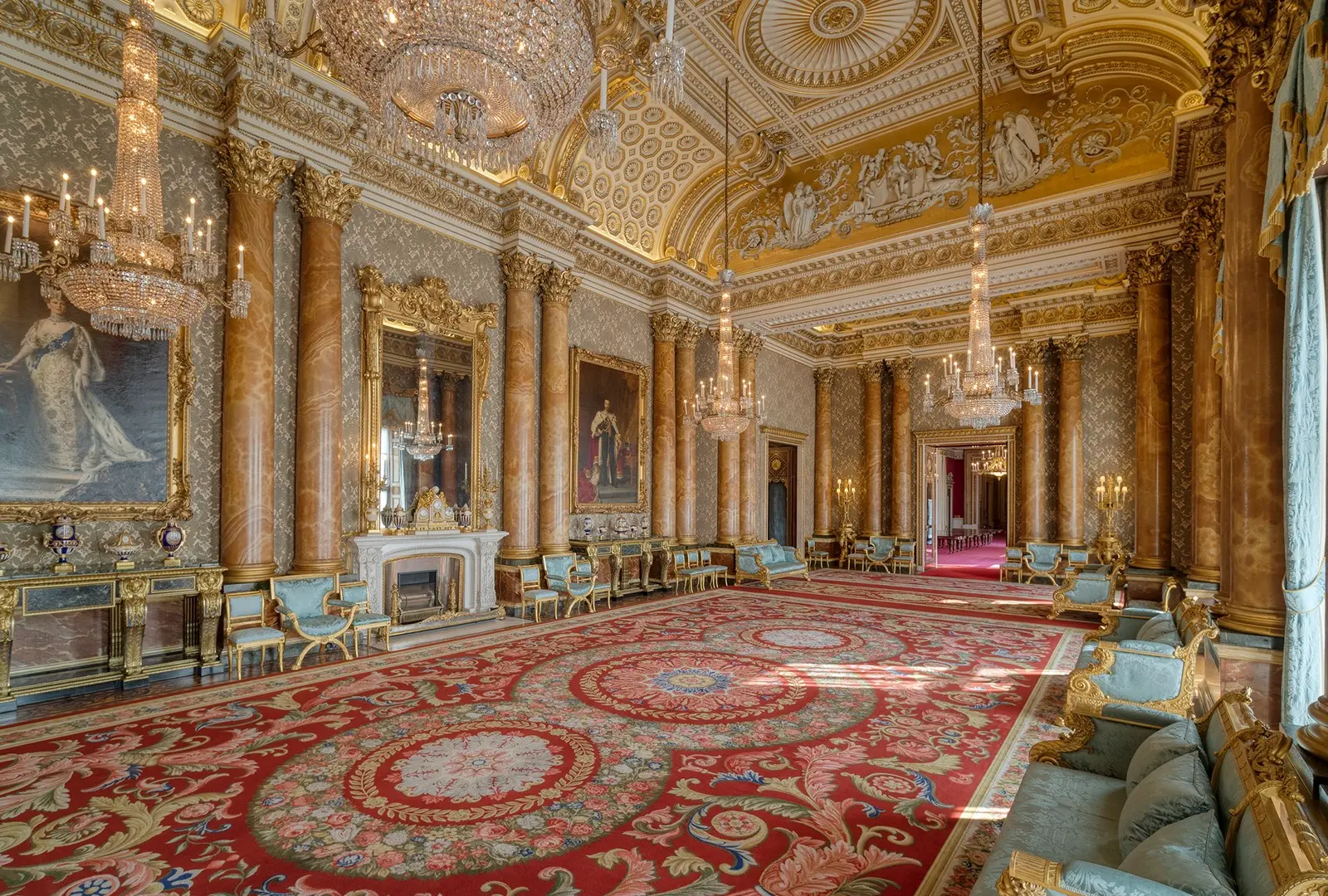
Explore 19 magnificent State Rooms at Buckingham Palace, the ceremonial heart of the monarchy, where His Majesty The King receives guests and hosts official events. From the grand Ballroom to intimate Drawing Rooms, each space reflects centuries of royal tradition.
Admire masterpieces from the Royal Collection, including paintings by Van Dyck, Rembrandt, and Canaletto; exquisite Sèvres porcelain; and sculptures by Canova. These world-class artworks adorn the rooms, bringing royal history vividly to life.
Join a 2.5-hour guided tour to uncover the stories behind the State Rooms, or use the free multimedia guide in nine languages. Special highlights include the Throne Room, Picture Gallery, and Ballroom, with expert insights into royal ceremonies.
Used for official events and ceremonies, these rooms are adorned with some of the finest treasures from the Royal Collection, including exquisite paintings, opulent furnishings, and stunning chandeliers. Open to the public during the summer months, the State Rooms provide a rare opportunity to experience the splendor of the British monarchy up close. Join us as we explore the history, highlights, and essential visitor information for these magnificent ceremonial rooms.
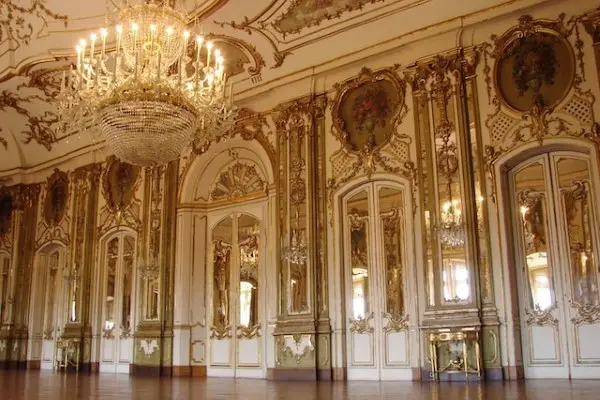
The State Rooms at Buckingham Palace are the epitome of royal opulence, offering a unique opportunity to step inside the ceremonial heart of the British monarchy. These rooms, used for official events, state banquets, and receptions, are a testament to the grandeur and elegance that define royal life. In this article, we will explore the history, highlights, and visitor tips for experiencing the magnificence of the Buckingham Palace State Rooms.
The history of the State Rooms at Buckingham Palace dates back to the early 19th century when King George IV began transforming Buckingham House into a grand palace. The architectural design was undertaken by John Nash, who envisioned a series of opulent rooms fit for royal ceremonies and entertaining. Since then, the State Rooms have hosted numerous significant events, from state banquets and royal receptions to official meetings and investitures.
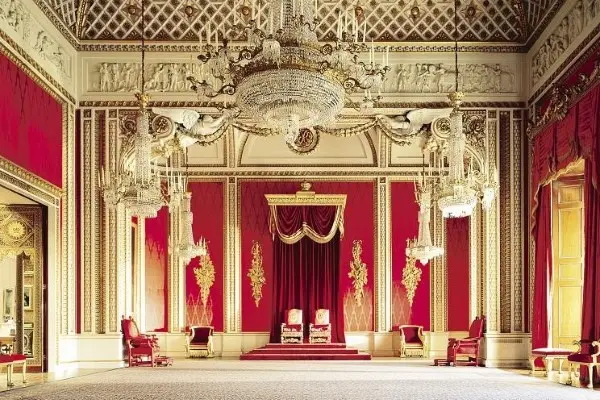
One of the most dramatic and instantly recognisable spaces in Buckingham Palace, the Throne Room is still used today for major ceremonial occasions. Beneath the theatrical proscenium arch designed by John Nash, the twin thrones commissioned for King Charles III and Queen Camilla’s 2023 Coronation now stand alongside the historic chairs used by Queen Victoria, King George VI and Queen Elizabeth II. The vivid scarlet and gold décor, dramatic canopy and glittering chandeliers provide the backdrop for investitures, royal wedding photographs and the formal group portraits taken after the Coronation.
Regarded as one of the most beautiful rooms in the palace, the White Drawing Room is used by His Majesty The King for private audiences and small receptions. Its exquisite French-inspired gilt and white décor is highlighted by magnificent crystal chandeliers and a spectacular mirrored door that secretly opens to allow the Royal Family to make a grand entrance before state banquets. Visitors often spot the famous portrait of Queen Alexandra by François Flameng and the hidden jib door that still functions today.
The largest of the State Rooms, the magnificent Ballroom was completed in 1855 during the reign of Queen Victoria and remains the setting for today’s grand State Banquets, investitures and official celebrations. Measuring over 33 metres long, it boasts six enormous chandeliers, a dramatic vaulted ceiling and the majestic pipe organ installed for Queen Victoria. Recent highlights include the State Banquet for Emperor Naruhito and Empress Masako of Japan in June 2025, where the long tables glittered beneath thousands of pieces of silver-gilt from the Grand Service.
Stretching 47 metres along the west façade, the Picture Gallery displays an ever-changing selection of masterpieces from the Royal Collection. In the 2025 summer opening, visitors can admire works by Rembrandt, Van Dyck, Rubens, Claude Lorrain and Canaletto, hung against rich crimson silk walls beneath a glass-vaulted ceiling. The gallery is rehung each year to reflect current exhibitions and conservation projects, making every visit unique.
With its striking domed ceiling painted with scenes of music and dance, the Music Room is one of the palace’s most elegant spaces. It continues to host intimate royal performances and receptions, and four royal christenings have taken place beneath its central lotus-shaped bowl — most recently those of Prince George, Princess Charlotte and Prince Louis. The room’s superb acoustics and beautiful white-and-gold décor make it a favourite among musicians and guests alike.
The breathtaking Grand Staircase is the first major interior sight for visitors entering the State Rooms. Designed by John Nash, its sweeping double-branched form is lined with rich crimson carpet and gilded balustrades. Full-length portraits of Queen Victoria’s closest relatives — including her parents, grandparents and Queen Adelaide — watch over guests as they ascend, creating one of the most theatrical entrances of any royal residence in Europe.

30-35 Minute Walk

10 Minute Walk

20-25 Minute Walk

1hr by train

35 Minutes - Train
Find answers to common questions about visiting the State Rooms at Buckingham Palace. From summer opening dates and ticket options to accessibility and photography rules.
The State Rooms are the 19 magnificent ceremonial apartments at Buckingham Palace, the official London residence of His Majesty The King. Used for official entertaining, state banquets, investitures and receptions, they showcase opulent interiors and treasures from the Royal Collection, including masterpieces by Van Dyck, Rembrandt and Canaletto.
The State Rooms open to the public each summer when the Royal Family is in residence elsewhere. For 2025, the Summer Opening runs from 10 July to 28 September, daily in July and August, and Thursday to Monday in September (closed Tuesdays and Wednesdays). Limited guided tours are also available from October 2025 to May 2026 on selected dates.
Yes, advance booking is essential as tickets sell out quickly, especially during peak summer weekends. Online tickets are timed for entry with discounts for children and disabled visitors. Book via the official Royal Collection Trust website for the best availability.
A self-guided tour of the 19 State Rooms typically lasts 2–2.5 hours, including time to explore highlights like the Throne Room, Ballroom and Picture Gallery. Allow extra time for security checks on arrival and a leisurely stroll through the Palace Garden at the exit. The full route is one-way, so plan accordingly.
Yes, the State Rooms are largely step-free with an accessible route available upon request (book in advance). Free manual wheelchairs, mobility scooters and accessible toilets are provided, along with a complimentary companion ticket for essential carers. BSL-interpreted and audio-described tours run on selected dates; assistance dogs are welcome.
No, photography, filming or video recording (including on wearable devices) is strictly prohibited inside the State Rooms to protect the delicate artworks, furnishings and historic interiors. However, you are welcome to take photos in the beautiful Palace Garden at the end of your visit.
Your ticket includes a self-guided multimedia guide in nine languages (with a family-friendly version), access to all 19 State Rooms, and entry to the Palace Garden with views of the lake and west front. Optional add-ons include the Royal Day Out ticket for combined visits to the Royal Mews and King's Gallery.
During the 2025 Summer Opening (10 July–28 September), the State Rooms are open daily from 09:30 to 19:30 (last entry 17:15). Arrive at least 15 minutes early for security. Hours may vary in September; always check the official website for updates, closures due to weather or official events.
Discover the iconic State Rooms, stroll through the beautiful gardens, and explore the historic Royal Mews — each area offers a unique glimpse into the life and heritage of Buckingham Palace.

The Royal Mews is one of the premium stables in the world. Providing the King with carriage horses and responsible for His Majestys and members of the Royal Familys transport.
Royal Mews — tours & tickets
A visit to this Buckingham Palace offers a unique glimpse into the State rooms, the Royal Collection, the Royal Mews, Palace gardens and the Changing of the Guard.
Tours & tickets — full details
The Changing of the Guard at Buckingham Palace is a time-honoured ceremony that captivates visitors with its pageantry and precision.
Changing the Guard — full guide