The Royal Mews
The Royal Mews is one of the premium stables in the world. Providing the King with carriage horses and responsible for His Majestys and members of the Royal Familys transport.
Royal Mews — tours & tickets
A Royal Journey Through Time
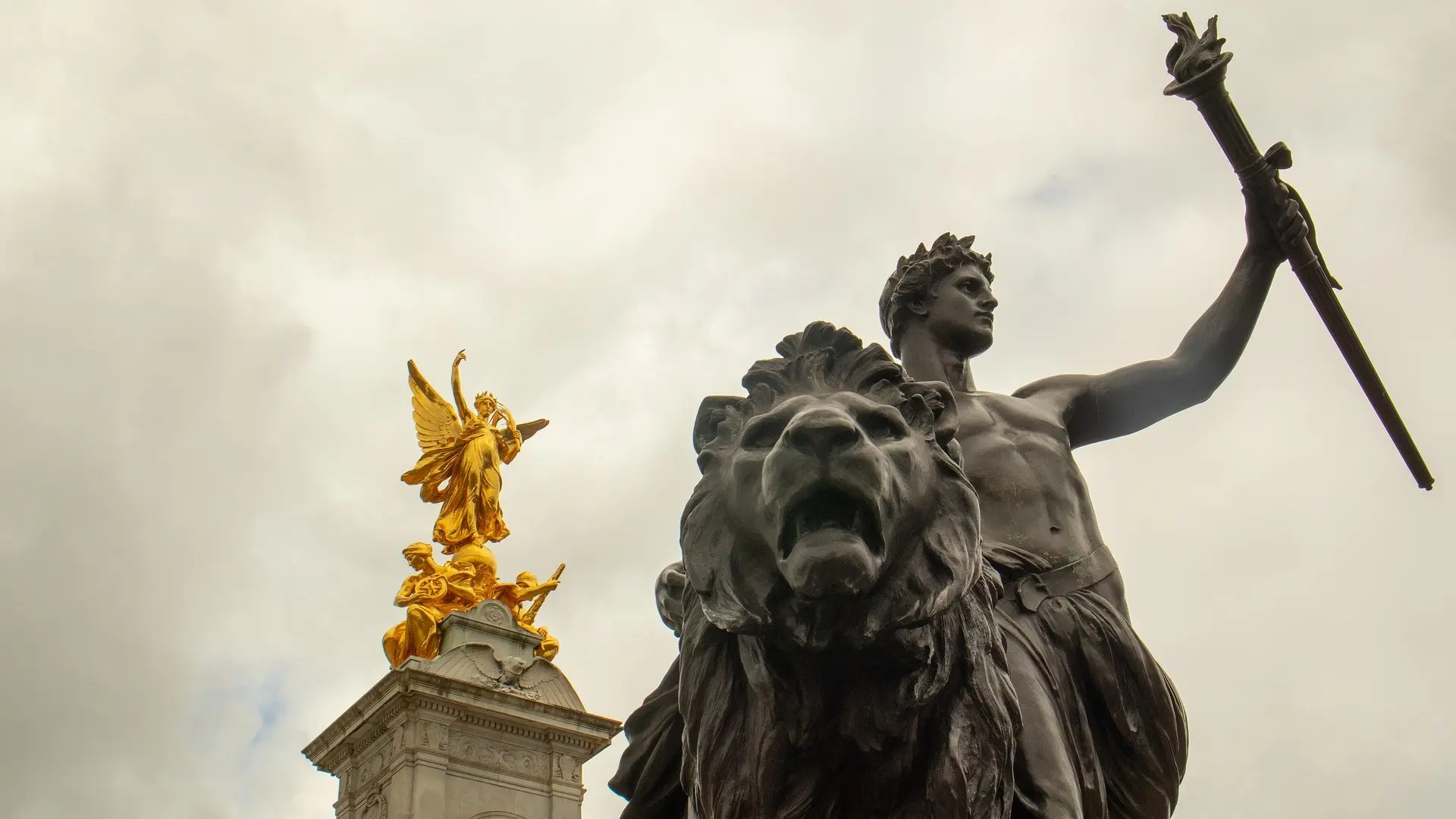
Built in 1703 for the Duke of Buckingham, the original Buckingham House was a grand private townhouse. Purchased by George III in 1761 as a family home for Queen Charlotte, it was known as “The Queen’s House” before being dramatically enlarged in the 19th century.
In 1837, Buckingham Palace became the official London residence of the Sovereign when 18-year-old Queen Victoria moved in – the first monarch to live here. The famous central balcony was added for her coronation celebrations and remains the focal point for royal appearances.
Architect John Nash transformed the house into a magnificent palace for George IV in the 1820s. The iconic neoclassical East Front with its balcony, the Marble Arch (originally the state entrance) and the sweeping grand staircase were all part of this lavish £700,000 rebuild.
Since 1837 Buckingham Palace has been the certified London home of Britain’s monarchs and is still running today as their administrative head office. With many receptions being held by The Queen herself in the State Rooms it’s surprising that more than 50,000 people still visit the Palace annually for lunches, receptions and the occasional Royal Garden Party.
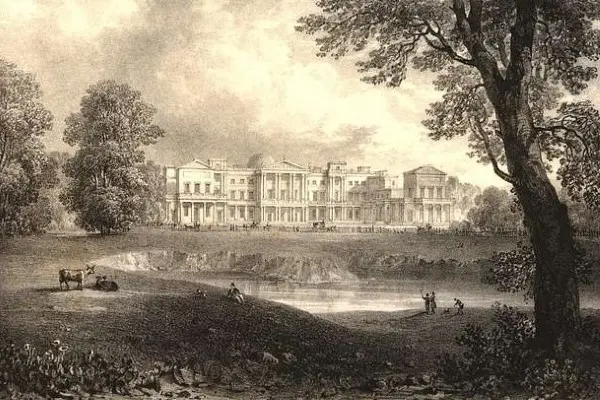
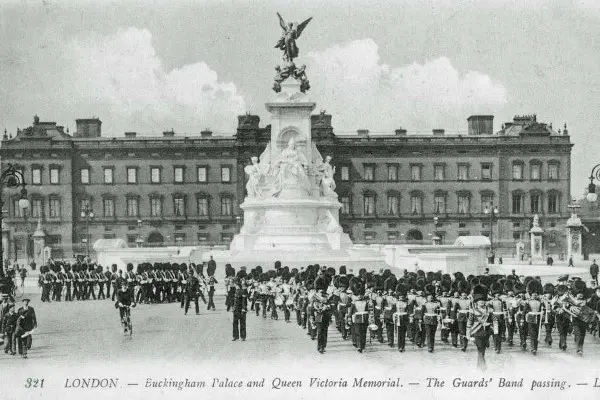
The story of Buckingham Palace begins in 1703 when it was originally built as Buckingham House for the Duke of Buckingham. Designed by architect William Winde, it was a large townhouse in the style of the time, intended as a grand private residence. In 1761, King George III purchased the house for his wife, Queen Charlotte, using it as a comfortable family home near St. James's Palace. The house was then known as "The Queen's House."
In the early 19th century, King George IV decided to transform Buckingham House into a palace. The architect John Nash was commissioned to carry out this ambitious project, which included the addition of a new suite of rooms facing west into the garden. This expansion was part of George IV's vision of a grand royal palace that would rival the finest in Europe. By 1826, Buckingham House had been transformed into Buckingham Palace.
When Queen Victoria ascended the throne in 1837, Buckingham Palace became the official royal residence. Her move to the palace marked the first time a reigning monarch had lived there. Queen Victoria's marriage to Prince Albert brought further changes to the palace. The couple made several modifications and improvements, including the addition of the iconic East Front, which faces The Mall. This facade, designed by Edward Blore, features the famous balcony from which the royal family greets the public during major events.
The 20th century saw Buckingham Palace become a focal point for national celebrations and significant events. During World War II, the palace was bombed nine times but remained a symbol of resilience. The British royal family, including King George VI and Queen Elizabeth, stayed in residence throughout the war, bolstering public morale.
In recent decades, Buckingham Palace has continued to evolve while maintaining its historic grandeur. It remains the administrative headquarters of the monarchy and hosts numerous official events, including state banquets, investitures, and garden parties. The palace also opens its doors to the public during the summer months, allowing visitors to explore the magnificent State Rooms and the expansive gardens.

30-35 Minute Walk

40-45 Minute Walk

1hr by train

60-65 Minute Walk

20-25 Minute Walk
Everything you’ve ever wanted to know about the fascinating 300+ year history of Buckingham Palace – from its origins as a private house to the London home of the British monarch.
Buckingham Palace began life in 1703 as Buckingham House, a large townhouse built for John Sheffield, 1st Duke of Buckingham. It was a private residence, not a palace, and remained so for over 60 years.
George III bought the house in 1761 for Queen Charlotte as a comfortable family home near St James’s Palace. It was known as “The Queen’s House”. It only became the official royal palace of the British monarch in 1837 when Queen Victoria moved in.
Queen Victoria was the first sovereign to take up residence in July 1837, just weeks after acceding to the throne. She was also the first to use the famous central balcony, added especially for her coronation celebrations.
The architect John Nash transformed the original house into a grand palace for George IV in the 1820s. Later, Edward Blore (under Queen Victoria) and Aston Webb (1901–1913) added the iconic East Front and famous balcony we see today.
The famous central balcony was added in 1851 as part of Edward Blore’s enlargement. It was first used by Queen Victoria, and has since become the traditional spot for royal wedding kisses, Trooping the Colour appearances, and major national celebrations.
Yes – during World War II the palace was hit nine times by German bombs. King George VI and Queen Elizabeth (the Queen Mother) famously refused to leave London, earning huge public admiration. A bomb even landed in the quadrangle in 1940 while the King and Queen were in residence.
The State Rooms were first opened to visitors in 1993 to help fund the restoration of Windsor Castle after the great fire of 1992. The Summer Opening has continued every year since (except during the pandemic) and now attracts over half a million visitors annually.
The palace has 775 rooms: 19 State Rooms, 52 royal and guest bedrooms, 188 staff bedrooms, 92 offices, and 78 bathrooms. It also boasts 760 windows and 1,514 doors.
Discover the iconic State Rooms, stroll through the beautiful gardens, and explore the historic Royal Mews — each area offers a unique glimpse into the life and heritage of Buckingham Palace.

The Royal Mews is one of the premium stables in the world. Providing the King with carriage horses and responsible for His Majestys and members of the Royal Familys transport.
Royal Mews — tours & tickets
A visit to this Buckingham Palace offers a unique glimpse into the State rooms, the Royal Collection, the Royal Mews, Palace gardens and the Changing of the Guard.
Tours & tickets — full details
The Changing of the Guard at Buckingham Palace is a time-honoured ceremony that captivates visitors with its pageantry and precision.
Changing the Guard — full guide